
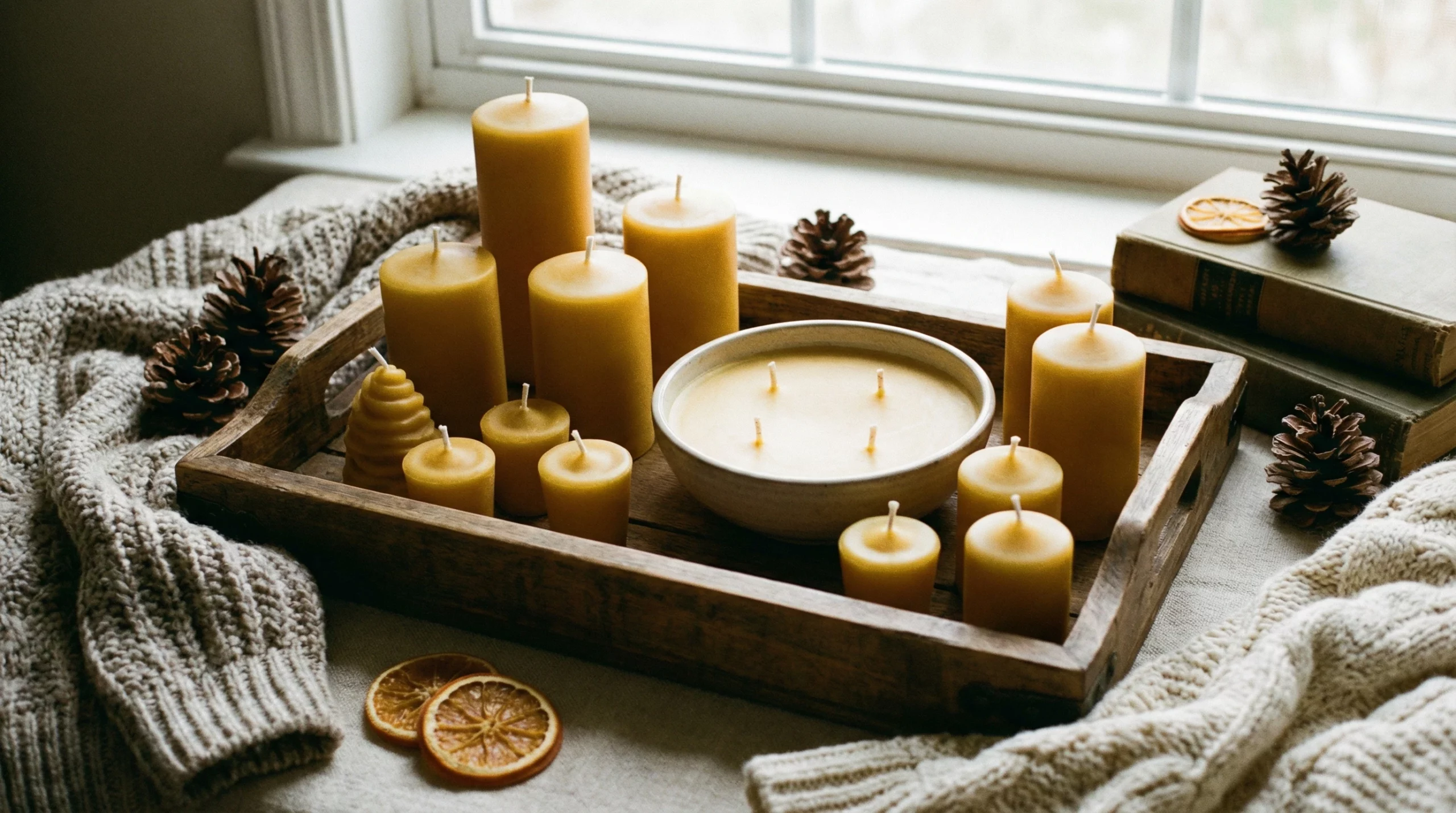
Candle care is one of those practices that can stretch the life of your favorite candles, keep your home feeling clean, and add a sense of coziness. Lighting a candle might seem simple; you light it, you blow it out, and that’s it. But some easy tweaks in how you use candles really pump up the burn quality, make scents linger longer, and help you use every bit of wax safely and efficiently.
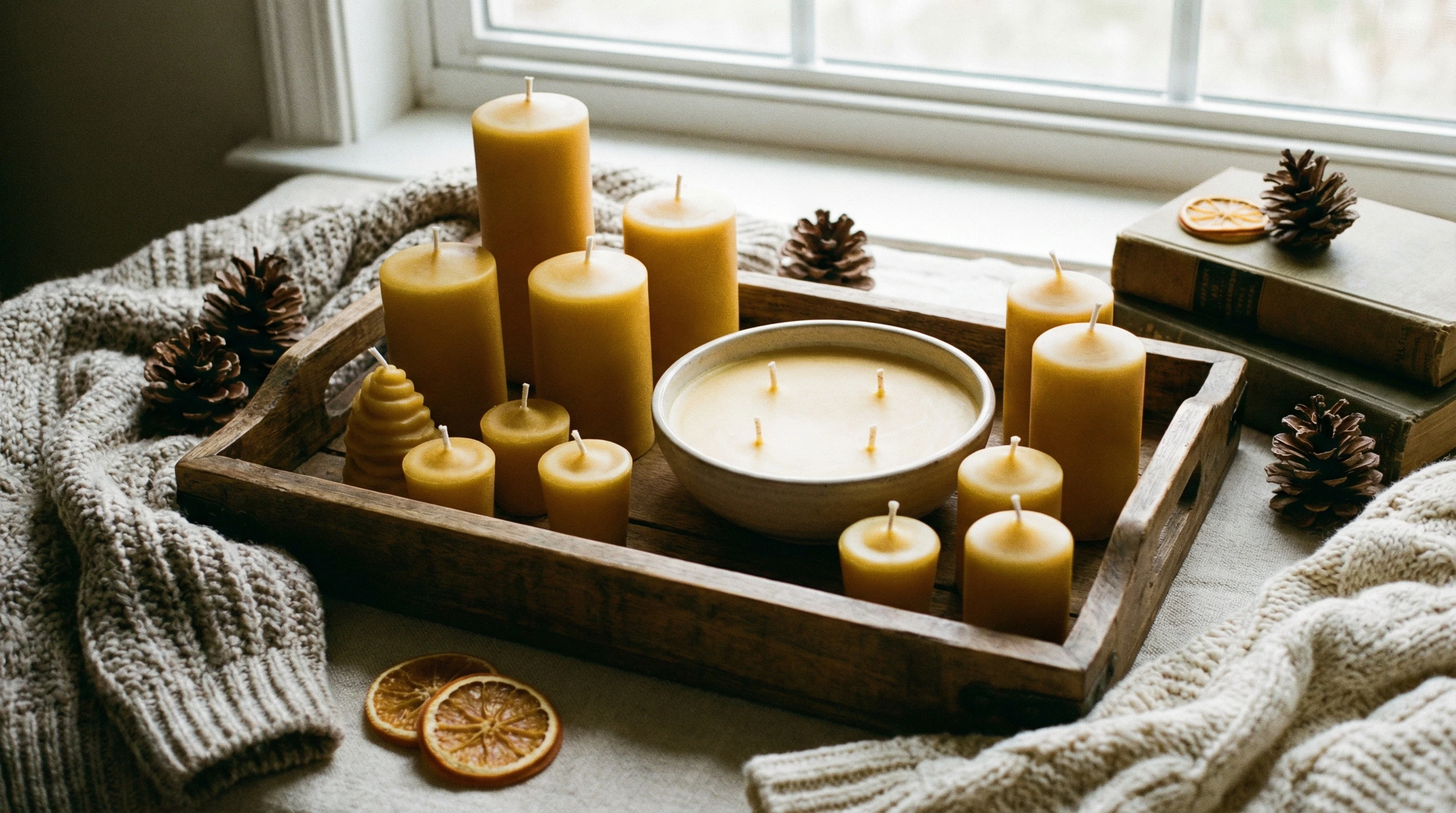
Candle Care Basics for a Cleaner and Safer Burn
Taking care of your candles isn’t just about making them last (though that’s a fantastic bonus). It’s also key to having a clean burn—no smoky residue, no wasted wax, and no surprises. Messy candles with mushrooming wicks, soot build-up on glass, or uneven wax just aren’t eye-catching or fun to use. I’ve picked up that a couple of small habits before, during, and after burns go a long way to keeping everything looking and smelling next-level cool.
According to the National Candle Association, fires sparked by candles are almost always due to errors like leaving them burning alone or placing them too close to flammable stuff. Using some basic care means you get the ambiance and lovely scent without the risks.
Prepping Your Candle: Before Lighting Up
The magic for keeping your candles fresh and burning long actually starts before you strike a match. Here are some habits that make a big difference:
- Trim the Wick: Before every lighting, snip the wick to about 1/4 inch. If you have wood wicks, 1/8 inch is ideal. Wicks that are left too long create uneven flames, more soot, and unattractive “mushrooming” at the end, which also uses up your candle faster.
- Clear Debris: Always double-check the wax pool for any burnt wick pieces, old match heads, or dust before lighting. These can mess with how smoothly your candle burns and make the smell less pleasant.
- Pick a Good Spot: Set your candle on a flat, heat-safe surface, away from anything flammable such as curtains or books. Also, try to avoid areas where a breeze from a window or fan would make the flame jump around.
These details may seem minor, but they really give a boost to your candle’s performance!
Getting the Best Burn: While the Candle is Lit
The way you burn your candle each time does influence its life and quality. I always use these habits:
- Let It Pool on First Burn: The first time you light the candle, let the whole top layer of wax melt all the way to the sides. Usually, this takes about 1–2 hours, depending on the candle size. This method keeps your candle from tunneling, so no wasted wax is left on the edges.
- Stick to 3-4 Hour Burn Sessions: Letting a candle burn for too long overheats the glass and makes the scent fade faster. It can also cause the wick to mushroom, which produces more smoke and waste. Limit each session to three or four hours.
- Keep Away from Drafts: Wind and air from fans or open vents make the flame flicker, which leaves the burn uneven and can create smoke.
- Let Wax Settle: When you’re done burning, leave the candle undisturbed until the wax solidifies. This helps prevent splashes and accidental spills.
Extinguishing Candles the Right Way
Turning the candle off properly makes a big difference in how clean and safe your next burn will be:
- Use a Candle Snuffer or Wick Dipper: Rather than blowing out your candle (which spreads smoke and can splash hot wax), a snuffer covers the flame smoothly, and a wick dipper bends the wick into the wax and back up, causing nearly zero smoke or odor.
- Reshape the Wick: After it’s cooled a bit, nudge the wick up so it’s set for the next lighting.
Safe Candle Placement and Usage
Always ensure your candles are someplace safe, and nothing can bump or tip them. Remember pets, kids, and even loose sleeves can be a hazard. Here are my top placement tips:
- Burn on Heat-Safe Surfaces: Use trays, plates, or dedicated candleholders. Heat can crack glass, but a buffer below helps keep things safe.
- Keep Everything Clear: Don’t let lampshades, sheets, or books get too close. Candles need space.
- Be Present: Never leave a candle burning if you’re not in the room. Even a few minutes away is enough for something to happen.
- Don’t Use Up All the Wax: Extinguish your candle when about half an inch of wax remains; for smaller containers, about 1/4 inch. This avoids overheating and glass cracking risks.
How to Keep Candles Burning Longer
If you’re hoping to get the most out of your favorite candle, wick care and careful burn times are the answer. Trimming the wick regularly keeps the flame small and steady, encouraging the wax to melt evenly rather than evaporating too quickly. Each time you burn, go until the melt pool reaches the edges to avoid tunneling.
Bursting for short periods (under an hour) causes tunneling and wastes wax, but really long burns (more than four hours) overheat the candle and make it disappear faster. Two to four hours is perfect as long as you get a melt pool all the way to the sides. If relighting later, just snip the wick and sweep out any junk before you start again.
How to Make the Scent Last Longer in Candles
Nobody wants their awesome new candle to lose its fragrance right away. Proper storage goes a long way! Always snap the lid back on when not using it, and stow your candle somewhere cool and dark. Sunlight or heat causes the scent oils to evaporate quickly, so skip windowsills or warm counters.
Keep up with trimming the wick and burning for just the right amount of time—this allows fragrance oils to be released slowly and evenly. Burning several candles at once in one space can blend fragrances, so it’s best to enjoy one at a time to fully catch each scent’s vibe.
Storing Candles to Protect Wax and Fragrance
Good storage isn’t just about looks; it helps keep your candles smelling and burning great for ages. This is what I do:
- Lid your candles as soon as they’re cool to block dust and preserve fragrance oils.
- Keep candles in a cool, dry, dark place, such as a drawer or shelf. This prevents wax sweating or scent loss from heat swings.
- If they come boxed, pop them back in for protection from sunlight and bumps.
These steps mean even candles I stash away for months light up as good as new when I take them back out.
Common Candle Problems and How to Fix Them
No one wants a candle that’s stubborn, smokes, or forms a tunnel. I’ve found quick fixes for the usual headaches:
- Tunneling: If there’s a deep well, do a “rescue burn.” Wrap some aluminum foil around the rim and leave a hole for the flame. The heat helps spread the melt to the sides and evens out the wax.
- Smoking or Soot: Often this means the wick is too long, or the candle is near a draft. Trim to 1/4 inch and pick a calmer spot.
- Wick Won’t Stay Lit: Toss any burned debris from the wax and gently straighten the wick before relighting.
Candle Care FAQs
People often ask about candle care basics. Here are some helpful answers:
What’s the best way to trim a wick?
Use small scissors or wick trimmers. Aim for a 1/4 inch wick. Wood wicks can be pinched between your fingers, just avoid letting extra bits drop into the wax.
How do I keep my candles from getting dusty?
Replace lids between uses and store them in drawers or cabinets rather than open shelves. Gently wiping the top with a dry cloth before lighting is a good move.
Can I recenter a wandering wick?
Absolutely. Soon after you blow out the flame and while the wax is soft, use a toothpick or tweezers to gently guide the wick back to the middle. This keeps the burn steady next time.
Wrapping Up: Enjoy Your Candles Cleanly and Safely
Just a little extra attention in candle care means a neater ambiance, longer-lasting candles, and more vibrant scents every single time you burn. Candles bring a cozy vibe to any day, and handling them with care lets you relax and take in every flicker and scent, safely and beautifully.