
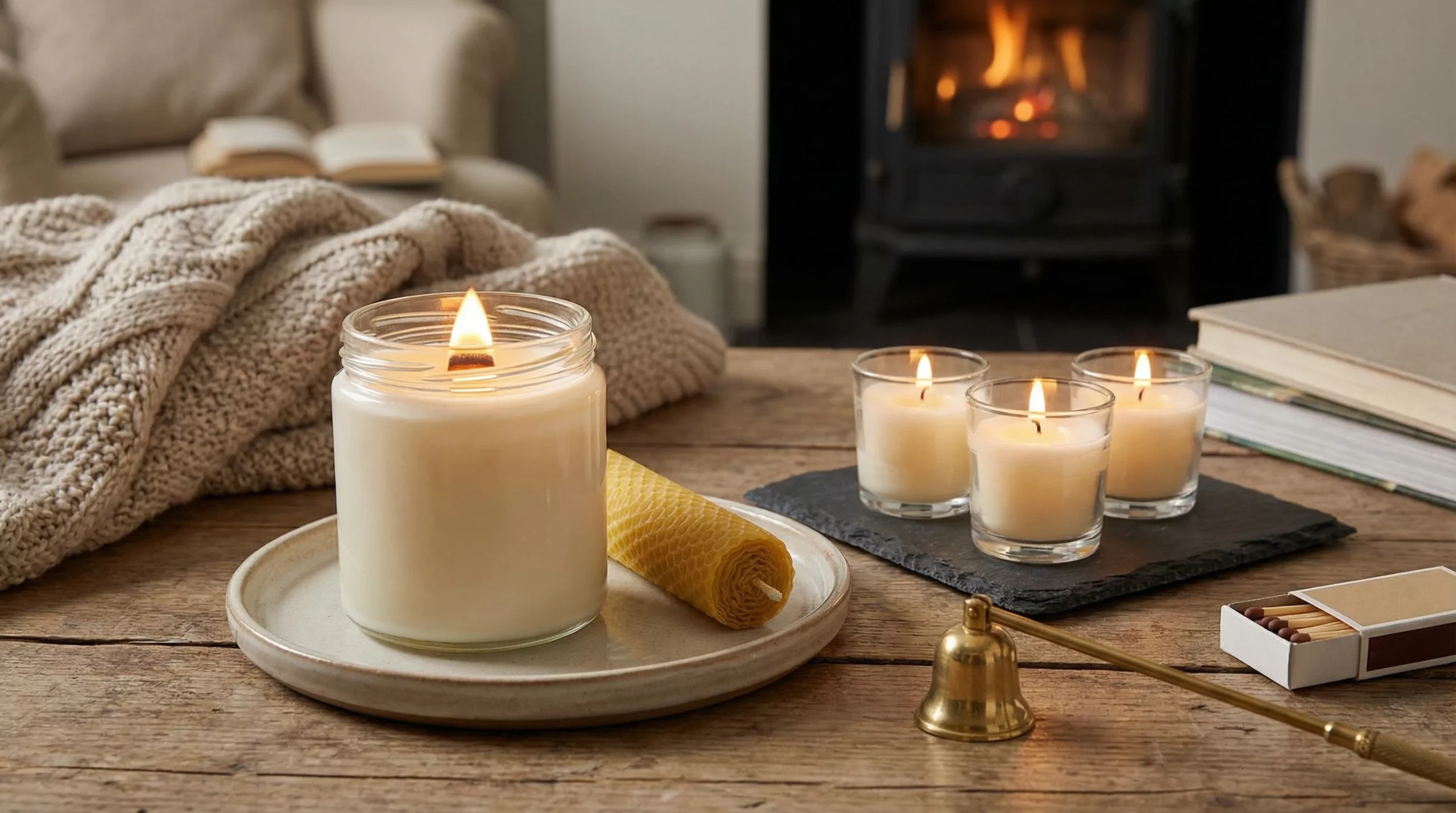
If you love using candles at home, you probably already know how they can instantly make a room feel cozier or add a little style to your space. But getting the most out of candles isn’t just about picking your favorite scents. There are some really common mistakes people make that can affect safety, how well the candle burns, and even how long it lasts. I’ve learned a few things both from making candles and being a regular candle burner myself, so here’s my honest roundup of candle mistakes to avoid for a safer and better experience every time.
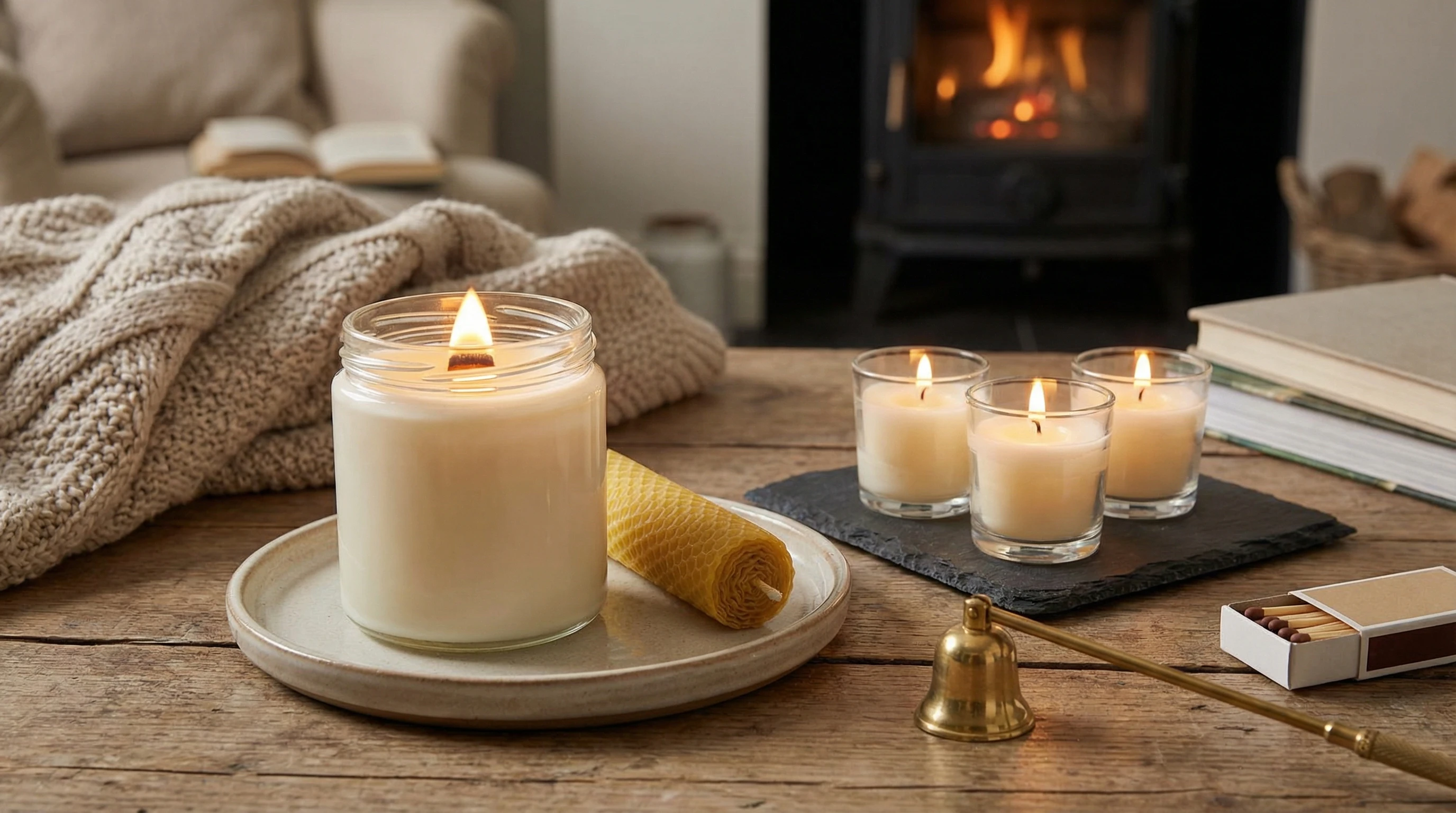
Basics You Don’t Want to Overlook
Getting the basics right with candles is pretty important. Even those small habits add up, whether you’re buying a fancy new candle or making your own at home. Here are the fundamental issues I see come up repeatedly:
- Improper Candle Placement: Always place candles on a stable, heat-resistant surface and away from anything flammable. Keeping them away from curtains, papers, and anything that could tip over is really important for safety.
- Neglecting Wick Trimming: A long wick can cause sooting and a strangely large, flickering flame. Trim your wick to about 1/4 inch before each burn for a clean, steady flame and less smoke.
- Burning Your Candle Too Long: Allowing a candle to burn for hours on end can overheat the jar and produce a smoky smell. Two to four hours is usually the sweet spot for most candles.
- Incorrect Wick Sizing: If you make your own candles, using a wick that’s too small means the wax will tunnel, but a wick that’s too large could be a safety risk. Choosing the right wick size for your candle’s diameter is key to getting the best burn.
- Avoid Paraffin Wax: Paraffin is cheap and common, but tends to release more soot and isn’t the most ecofriendly option. Soy or beeswax candles are worth checking out for a cleaner burn and less environmental impact.
- Ignoring Candle Safety Precautions: Never leave a candle unattended, and always keep them away from kids and pets. It’s easy to forget, but keeping an eye out helps prevent accidents or something getting knocked over.
The Science of a Good Burn
A lot goes into helping a candle burn beautifully. Temperature, air flow, and even the candle’s first burn matter a lot.
- Not Centering Wicks Correctly: Wicks need to be centered to ensure even burning. If the wick leans to one side, you’ll end up with wonky wax and wasted candle.
- Burn Candles Away from Drafts: Burning a candle in a drafty area leads to uneven burning, sooting, and tunneling. Pick a spot far from windows, vents, and fans.
- Tunneling: Tunneling happens when only the center of the wax melts, leaving thick rims on the side. To fix this, make sure your candle burns long enough for the wax to melt edge-to-edge during the first burn. Usually, one hour per inch of diameter is ideal.
- Overheating the Wax: If you’re making candles, overheating the wax can burn off fragrance and affect the way the candle sets. Always heat the wax gently and check the temperature with a thermometer.
- Letting Wicks Drown: If you don’t trim the wick or burn your candle too short at the start, the wick can end up drowning in melted wax. This causes the candle to go out or burn unevenly, shortening its life.
Getting Scent and Ingredients Right
One reason I make candles myself is to control the scent and ingredients. Messing up fragrance loads and measurements will ruin the whole vibe of your candle. Here’s what you want to watch for:
- Inaccurate Fragrance Load: Packing in too much fragrance oil sounds like a great way to get a strong scent, but it can mess with the wax structure, cause sweating, or make the candle burn weird. Stick to the recommended ratio for your wax type (usually around 6-10% by weight).
- Not Measuring Ingredients Accurately: Eyeballing wax, fragrance, or dye amounts leads to poor performance and even safety problems. Use a digital scale for best results and more precise results.
Temperature Tricks: Pouring and Cooling
Temperature is a big deal in candle making, whether you’re melting, pouring, or letting the candle set up for curing and use:
- Pouring Wax at the Wrong Temperature: Pouring when the wax is too hot creates sinkholes or cracks, while pouring too cool makes the finish dull or cloudy. Each type of wax has a sweet spot. Usually between 120°F and 140°F for soy—so check your instructions.
- Rushing the Cooling Process: It’s tempting to speed things up, but moving or refrigerating a candle may cause cracks and ruin a smooth finish. Letting them cool slowly and naturally leads to a stronger candle and better appearance. Plus, you avoid possible air bubbles or weird textures.
- Burning the Candle Before Curing Completes: Most candles (especially soy wax) need at least a week to cure before burning. Burning too soon means a dull scent and poor performance, so patience really pays off.
How Candles Fit Into Your Space
Even after you’ve made or bought the perfect candle, how you use it in your space makes all the difference:
- Proximity: Don’t cluster candles too close together. Give each candle space to breathe so heat doesn’t build up and they burn properly.
- Using Candles Too Often: While candles are awesome for ambiance, burning them every single day, everywhere, can add up with soot or even trigger allergies. Using candles regularly but with some breaks in between keeps things fresh and your air a bit cleaner.
- Using Scented Candles to Mask Odors: Lighting a scented candle to cover up stinky smells might make the room smell worse if you’re not careful. Air out the room or get rid of the source first, then enjoy your candle’s real fragrance.
Common Candle Problems and Fixes
- Not Burning Long Enough: Especially for the first burn, you want to let the candle melt edge-to-edge. Blowing it out too early can start the tunneling process and waste a good chunk of wax. Taking the time on the first burn sets it up for a longer life.
- Tunneling: If you notice a tunnel after the first or second use, you can fix it by wrapping the top in aluminum foil with a hole in the middle. Burn it for an hour. Most times, the wax will level itself back out.
- Dealing with Flickering: If your candle keeps flickering, check for drafts first and then look at wick length or wax type. Sometimes, swapping to soy or beeswax will make the flame steadier.
- Fixing Cracks in Wax: For homemade candles that develop surface cracks, gently heating the surface with a hairdryer until just melted will smooth things out. Just be careful not to melt too much wax.
FAQs About Candle Use and Making
Here are a few popular ones I’ve heard and here are the answers:
Question: How often should I trim my candle wicks?
Answer: Trim your wick before every burn. If you burn candles regularly, keep a small pair of scissors or wick trimmer handy. The difference is huge in terms of soot and flame height.
Question: Why did my candle tunnel so quickly?
Answer: Usually, tunneling starts because the candle wasn’t burned long enough on the first use. Make sure you let it burn until the wax pool is full width across the candle, especially for wider jars.
Question: Is it okay to leave a candle burning while I leave the room?
Answer: It’s really not safe. A candle can tip, something can fall into it, or it can burn down too low if you forget it. Always blow it out when you leave.
Question: How do I pick a non-toxic candle?
Answer: Look for natural waxes (soy, beeswax, coconut), cotton or wood wicks, and brands that use phthalate-free fragrance oils. It’s all about transparency, so pick candle makers who are open about their materials.
Making Candle Use Easy and Enjoyable
Candle use and making feels a lot more rewarding when you pay attention to these details. From trimming wicks to choosing where you set your candle down, these habits make a difference in how safe and enjoyable your experience is. Whether you’re lighting a single votive at dinner or working on a new batch of homemade jars, a little care goes a long way. In case any questions pop up or you want some tips, local candle makers and shops usually have some solid advice too. Happy burning, and enjoy the warm, cozy vibes every time you light up a candle!